The Wood Engravers’ Network’s Fifth Triennial exhibition at the University of Wisconsin – Milwaukee

Everyone who has spent any time enjoying the visual arts is familiar with woodcuts. They are often very warm and tactile and inviting prints traditionally printed in black ink but often done in color in the last hundred years or so. Woodcuts are made by carving away the parts of a wood block that the artist wants to show as white, the negative spaces in the image. And the carving is done with any number of different knives or gouges or chisels in the plank grain or long grain of the wood…the softer side. And then the ink is applied to the remaining raised surface, a sheet of paper is laid over the block, and the entire thing is run through a press to transfer the ink from block to paper.

But now the Emil H. Mathis gallery at UWM is featuring the Wood Engravers’ Network’s Fifth Triennial exhibition. So this is a real opportunity to delve into wood engravings which are similar but they are not the same as a woodcut. A wood engraving is carved in the end grain of a piece of wood, the cross cut side for those carpenters out there. And then that piece is finished to a very fine surface and tinted before the drawing is transferred to the block or in some cases actually drawn on the block. The tools used in engraving are far smaller, far sharper, and very fine compared to those used in woodcuts. That is required because of the harder surface in the end grain wood. But the advantage of these fine tools and the harder wood surface is a medium that exhibits far more detail and far more possibilities for tints, shading, and other subtleties. Once completed the block is printed a similar fashion to a woodcut but the prints will generally be smaller because the end grain pieces of wood are smaller to start with.

The Wood Engravers’ Network’s Fifth Triennial exhibition was juried by Max Yela, the Head of Special Collections at the Golda Meir Library at UWM. He has selected a marvelous collection of 60 engravers from an international array of artists. So subject matter and technique and genre run the gamut of the possibilities of wood engraving. Now let’s step into the 21st Century a bit and realize that the woods most sought after for engraving have become more scarce and far more expensive. So there are now a number of synthetic surfaces in use including corian for example, a product similar to corian counter tops. So you will see a few prints using these new materials as well.

So if you are not familiar with wood engravings or not quite sure how they differ from woodcuts, this is the perfect opportunity to explore the medium. And as an extra bonus Yela has also included a few books and engravings from UWM’s Special Collections as a counterpoint. This is a rare chance to see some of these items as well.

The show is free and open to the public but the gallery has limited hours: 10:30 AM to 2:30 PM, Monday through Thursday. The show continues through May 1, 2025. The Emil H Mathis gallery is located on the ground floor of Mitchell Hall, room 170, at 3203 N Downer Avenue, the north west corner of Downer Ave. and Kenwood Ave.

And now a few of my favorites…and an attempt to lure you into the gallery. I apologize for some of the funny angles, I was trying my best to reduce glare (and the reflection of my red overcoat):

Rebecca Gilbert, The Widow (self portrait), wood engraving and letterpress, image 2.5 x 3 inches
Christoper Register, Gingrich from the Scoundrel’s Series, Resingrave, 5 x 5 inches
Abigail Rorer, The Madonna Tree, relief engraving, 6 5/8 x 5 inches
James Todd, Masters of War, wood engraving, 12 x 16 inches
Blaze Cyan, A Complicated Life, wood engraving, 5.9 x 3.9 inches

And here’s two from the UWM Special Collections:

Lewis Carroll’s Alice’s Adventures in Wonderland, wood engravings by artist Barry Moser
The Works of Geoffrey Chaucer, a facsimile of William Morris’ 1896 Kelmscott Press printing.

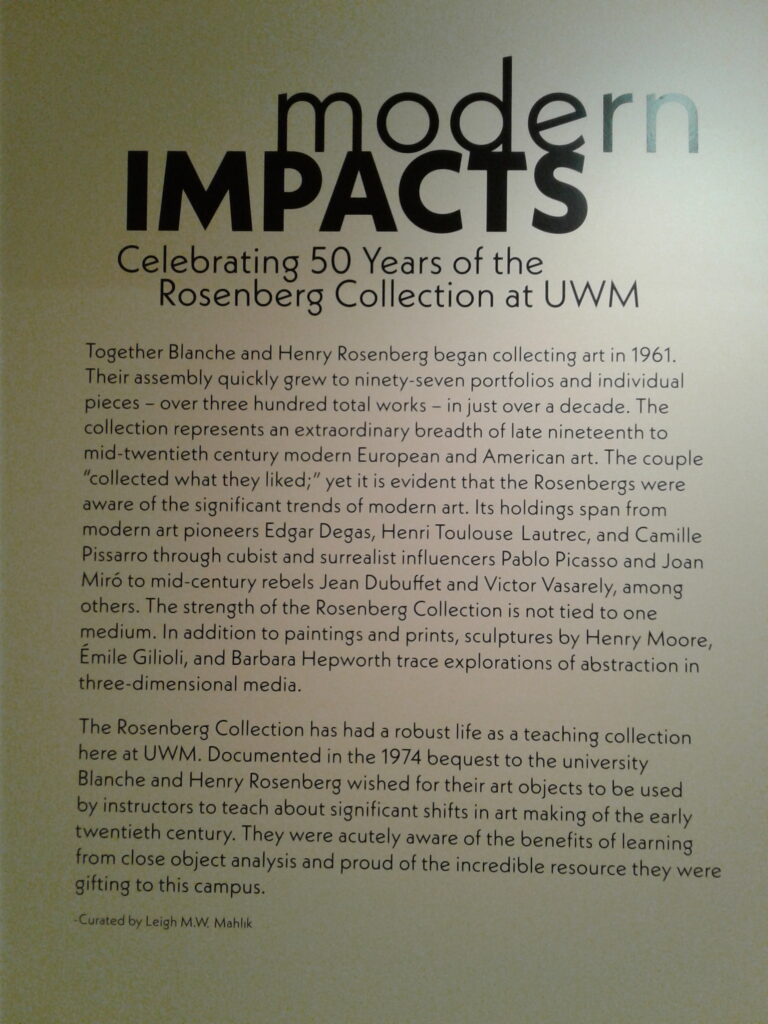
modern IMPACTS Celebrating 50 Years Of The Rosenberg Collection At UWM!

The Emile Mathis Gallery at the University of Wisconsin-Milwaukee opens the 2024/2025 season with a celebration of a generous gift of 20th Century Art from Henry and Blanche Rosenberg. The show is curated by gallery director Leigh M. W. Mahlik and encompasses the entire span of the Rosenberg’s collection. Primarily anchored in prints or other works on paper, Mahlik has also included a number of paintings and small table top scaled sculptures.

Visiting this show is incredibly rewarding. Most of the major European artists of the period are represented. And the work is certainly museum quality but the scale is a more personal size and invites you to spend some time getting familiar with it. Something that isn’t always available when viewing work of epic proportion. When I visited a second time, part of my intent was to take photos of work that spoke to me that I wanted to post with the article and hoped that they would speak to you. Unfortunately I got carried away and will have to make choices now so that I don’t overwhelm you with visuals. After all, I do want you to visit the gallery.

But the Rosenberg’s clearly had an eye for design. Although these works aren’t necessarily well known they are clean and crisp in design, and exhibit the exquisite draftsmanship that these artists are known for. And color is also a focus of many of these works. But there are some abstract pieces here that stand out too. This is a captivating show. And the best part it is easily accessible and free to the public.

My initial intention here was to quote a bit from Leigh Mahlik’s wall text about the show. But rather than try to edit it and retype it, I am just going to post a photo of the introductory text here. As it mentions, the collection has been instrumental in the educational mission of UWM and the Art History Department (which I understand is celebrating its 60th Anniversary this year). And with that in mind, Mahlik has also included short histories on the various ‘isms’ exhibited here…the show and the collection is certainly a delight!

User comments

I urge you to take the time to visit the Emile Mathis Gallery and enjoy this marvelous show. The Mathis Gallery is on the ground floor of Mitchell Hall which is on the corner of Downer Avenue and Kenwood Boulevard. The gallery is in the southwest corner of Mitchell but there is clear signage on the first floor at the entrances pointing you in the right direction. The Gallery is open Monday through Thursday from 10 AM to 4 PM and admission is free.

Modern Impacts: Celebrating 50 Years of the Rosenberg Collection at UWM continues through November 14th, 2024.

So there, I have given you plenty of links for more information. I will include one more here that is my take on the gallery as a whole: A Place For A Muse: The Emile H. Mathis Art Gallery @ UW – Milwaukee.

And now, I will include a few photos of the work that I loved from the show. I hope you enjoy them and then make plans for your visit!!

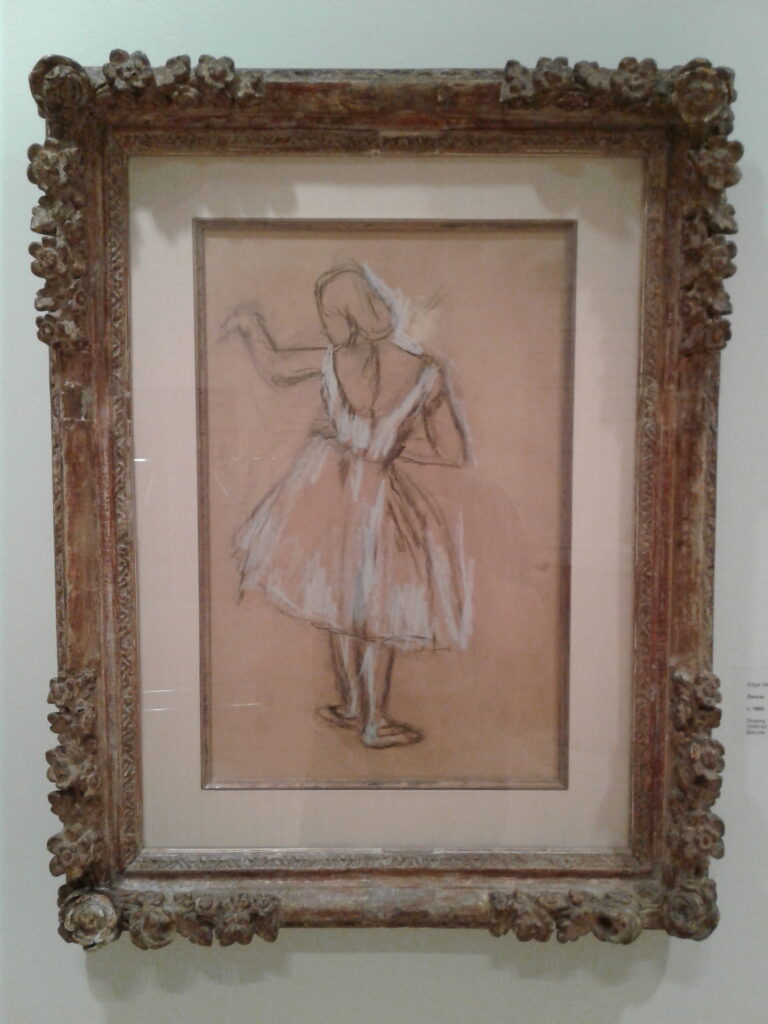
Edgar Degas, Dancer, drawing, c. 1880
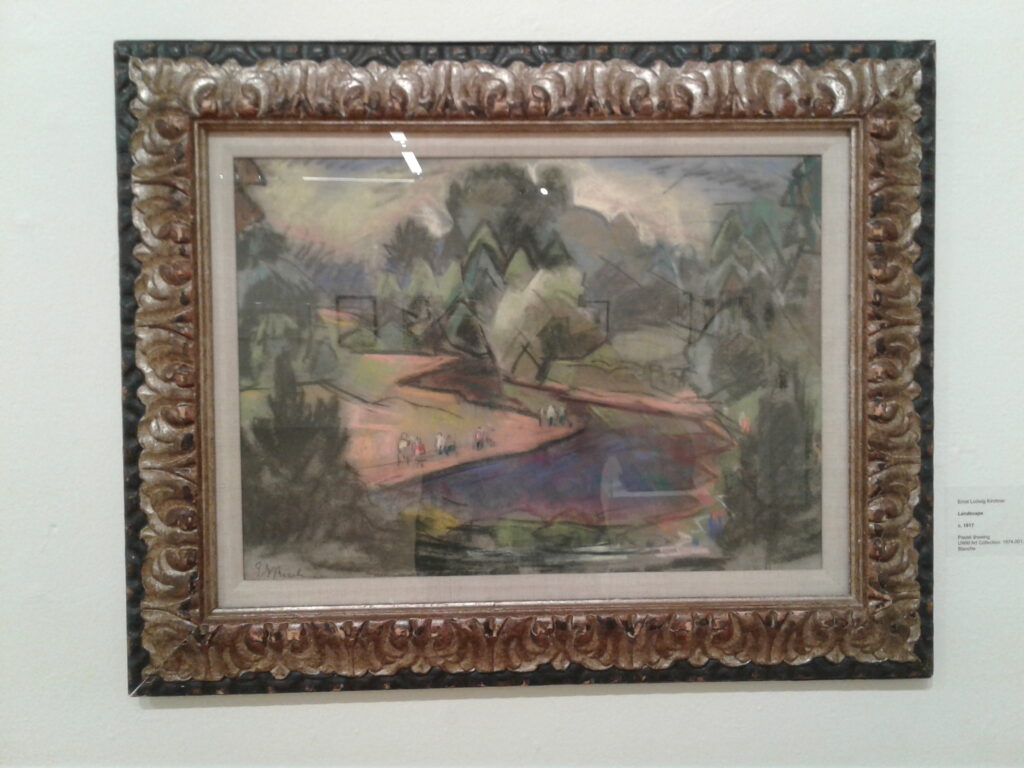
Ernst Ludwig Kirchner, Landscape, pastel drawing, c 1917
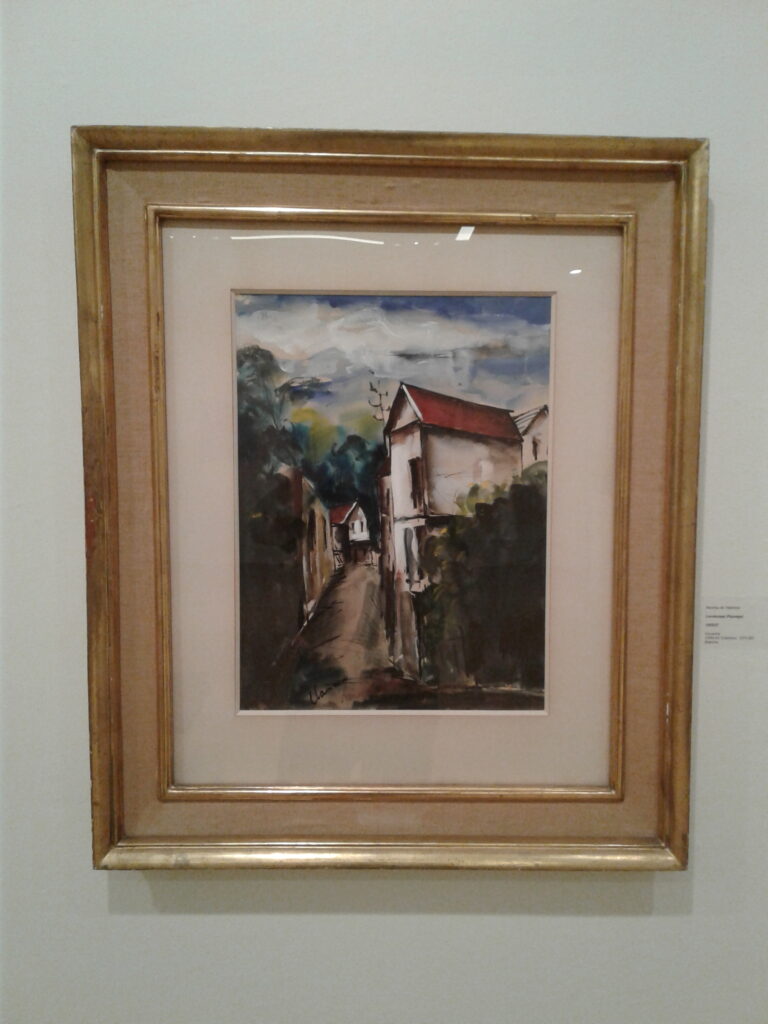
Maurice de Vlaminck, landscape, gouache, 1925/27

Barbara Hepworth, Sphere and Hemisphere, bronze, 1962

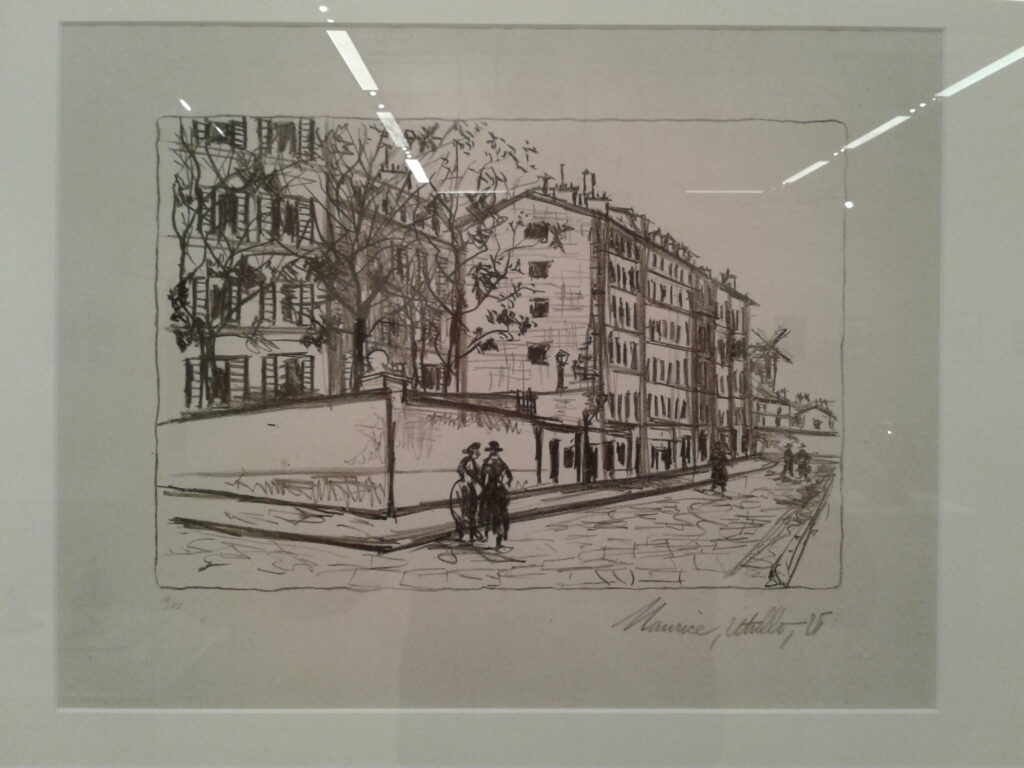
Maurice Utrillo, Orchampt Street, lithograph, 1925

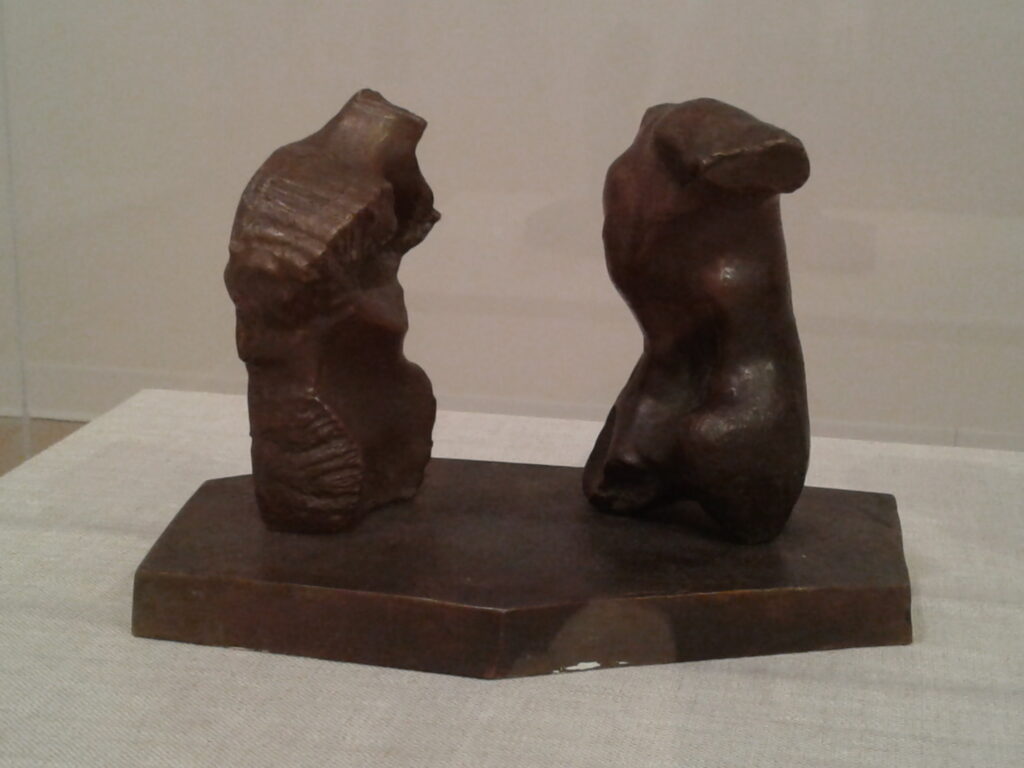
Henry Moore, Two Torsos, bronze, 1962

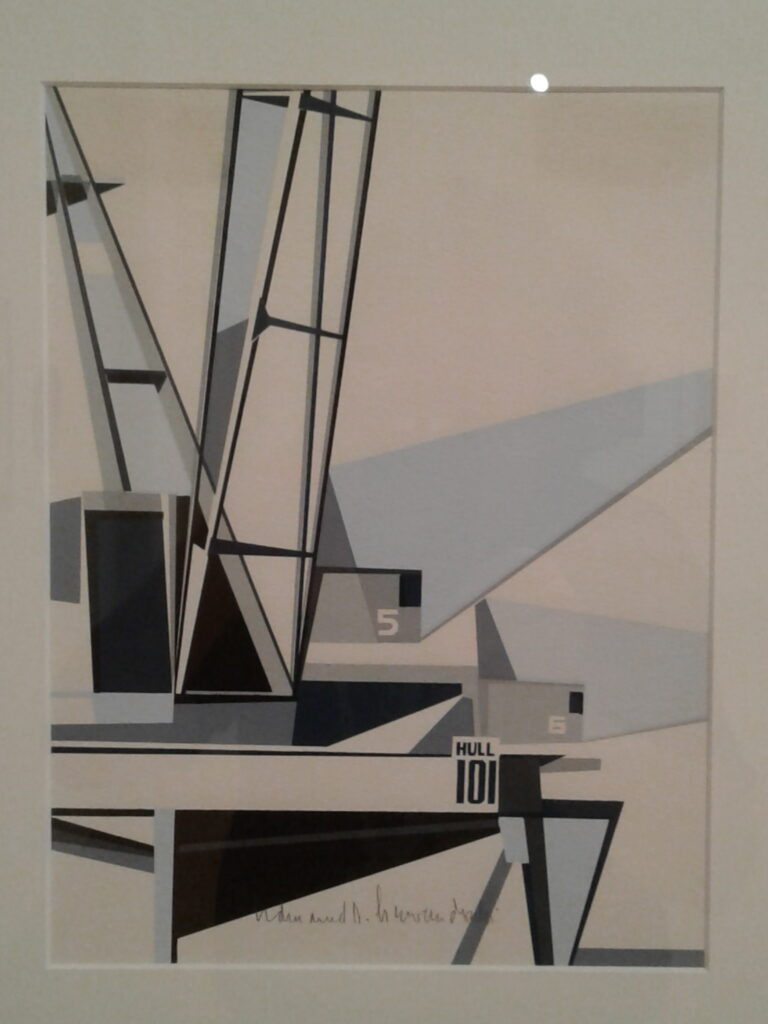
Edmund Lewandowski, untitled, lithograph, no date

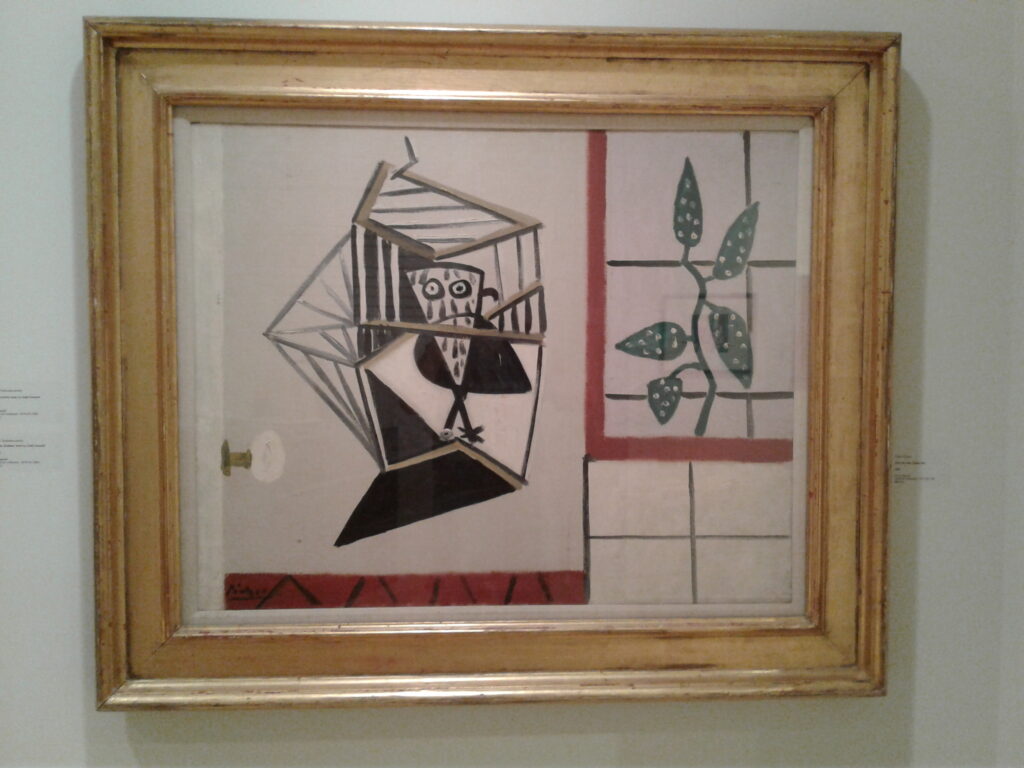
And yes, there are Picassos! Several of them but this one is particularly fun:

Pablo Picasso, Still Life With Caged Owl, oil on canvas, 1947

The Future Of The Charles Allis and Villa Terrace Museums Move One Step Closer To Gone As Milwaukee County Considers Private Offers For The Properties!

Back in June I wrote about the future of these two fine museums and warned that their futures were in danger. Milwaukee County of course continues to be financially distressed and of course the arts are an easy target. Of course part of the issue (like the Milwaukee Public Museum and the late great Bradley Center) is no one ever wants to spend money on infrastructure repair and maintenance until the numbers are astronomical and then they want to walk away from it. I believe that the Mitchell Park Domes are still in a similar limbo.

But here is my previous article: The Future Of The Charles Allis and Villa Terrace Museums Has Reached A Tipping Point: We May Lose Them Forever. And the remainder of this article will discuss new information about offers from private firms to take over the real estate, but not the museums. And the most recent article from the Milwaukee Journal Sentinel (aka JSOnline): Villa Terrace, Charles Allis museums could be privately owned. I apologize, this seems to be behind a firewall. I will pull out what I need.

Two small publicly owned museums on Milwaukee’s east side could be converted into private businesses — a boutique hotel and an events venue — under a pair of new proposals.

Those ideas are competing with other plans to maintain the financially challenged Villa Terrace Decorative Arts Museum and Charles Allis Art Museum — while granting ownership of those county-owned museums to private, nonprofit groups.

Milwaukee County has contributed roughly $225,000 to Charles Allis and Villa Terrace operations annually since 2015.

The article talks about a number of options for the current non-profit that currently runs the two museums while the county continues ownership. But then decries that the county is once again in financial straits and can’t afford their $225,000 annual support. Of course that bit could probably be made up in private fundraising and donations, but this last bit probably is a push:

County Executive David Crowley’s administration favors a plan from Friends of Villa Terrace Inc. that would create a starting point for negotiations.

It would keep Villa Terrace, 2200 N. Terrace Drive, as a museum, with the county perhaps transferring ownership to the private, nonprofit group.

The friends group wants the county to provide $3 million over five years to address deferred maintenance at the century-old property.

The group also wants $125,000 over three years “to transition operations.” It would raise $1.5 million in private funds to create a $500,000 operating endowment and help pay for improvements.

The group is willing to discuss the future of the Charles Allis Art Museum, the report said.

If you caught that last line, their current proposal doesn’t include maintaining the Charles Allis Art Museum, the museum in this pair that has the better permanent collection. And the numbers being requested probably don’t fit in the county’s long or short term budget considerations.

And the proposal from the group actually running the two museums?

Meanwhile, Charles Allis and Villa Terrace Museums Inc. submitted a plan to continue the private, nonprofit group’s operation of the museums with county financial support.

That group wants $10 million for building improvements. It also proposes a “gradual stepdown” of the county’s operation funding over seven years.

“Ultimately this proposal received the lowest score due to the unrealistic capital request, the length of continued operational support, lack of fundraising goals, and no clear end to the County’s investment,” the report said. (emphasis mine) It also said the group has since discussed with county officials reducing its funding requests and other matters.

Charles Allis and Villa Terrace Museums Inc., which has operated the museums for 20 years, “has built an infrastructure of operational excellence on a lean budget,” responded Executive Director Jaymee Harvey Willms.

Unfortunately the scions of Milwaukee business that built these homes and then donated them to the public as museums are long gone and the firms that provided their wealth have disappeared as well, so no white knight’s are likely to appear on the horizon from that quarter. And let’s keep in mind that Wisconsin is 46th out of the 50 states in public funding for the arts and rumors persist that we are moving further down the list.

So the headlines talk about the buildings being sold to private business and the museums being shuttered. From my point of view, the worst case scenario but from the county’s point of view probably the most appealing. The one is for Villa Terrace alone and envisions the Bartolotta Restaurant group purchasing it and turning it into an event and restaurant space. And the other would take on both the Charles Allis as a boutique hotel and Villa Terrace as a related event space.

The Bartolotta plan?

Bartolotta Restaurant Group LLC, working with Delafield-based HF Hospitality, would create a plan for redeveloping Villa Terrace as a “high-end hospitality venue” — with Bartolotta buying the property for a price to be determined.

“Beyond any restaurant operations, if any, which would be open to the general public, Villa Terrace would continue to have public access through periodic tours at designated dates and times,” the report said. The building’s art would be returned to the county. (emphasis mine)

And the hotel/event space offer?

Dynamic Events LLC, an events planner, would use Villa Terrace as an events venue and the Allis Museum as a boutique hotel/guesthouse, with the room count to be determined.

The firm would buy the properties for $1 each, with the county also providing a $4 million, 20-year loan at 4% interest. Additional funding to redevelop the sites would come from the developer’s equity, a bank loan and historic preservation tax credits.

Dynamic Events owner David Caruso told the Milwaukee Journal Sentinel that his plan would “preserve both iconic landmarks in a way that they can benefit from each other — a boutique hotel and a private/public event venue.”

$1 each? How magnanimous. And you can’t come up with $4 million on your own? If this is such a good idea you can finance this privately and pay the county what the properties are worth. If the county can’t see fit to support a public treasure they have no business supporting a private business.

So where are we?? It seems we are still in the early stages of discovery but to me the only answer is finding a way to maintain these two museums as museums. Whether that is continued through improved county support or a new and improved county/non-profit effort or whether we find find new resources for the non-profit currently running it I don’t know. But I can’t accept the loss of more cultural sites in our area.

And there was just a short mention that I included above and highlighted that really needs to be discussed. What happens to the permanent collections of art housed in these two museums if they are closed and sold? Given the county’s lack of will and foresight in preserving public infrastructure, I don’t currently trust them as being proper caretakers of our heritage. But that’s a conversation that I hope we don’t need to have.